Learn assembly, soldering, and testing of electronic circuits
This program focuses on PCB assembly, soldering techniques, wiring, and inspection processes. It equips learners with skills to assemble, test, and troubleshoot electronic devices used across industries.
Printed Circuit Boards (PCBs) are the backbone of modern electronics. In this section, you’ll learn the principles of PCB design, how to place components, route signals, and create layouts for efficient and reliable circuits. Tools like KiCad, Eagle, or Altium Designer are commonly used in the industry.
Soldering is an essential skill in electronics manufacturing. You’ll learn how to solder components onto PCBs, remove faulty parts using de-soldering tools, and ensure reliable connections. These skills are vital for repair, prototyping, and production work.
Assembly lines are used to manufacture products at scale. In this section, you’ll understand workflow, teamwork, and machine integration. You’ll also learn about ergonomics, safety, and lean manufacturing practices to improve efficiency and reduce waste in production lines.
Every product must undergo testing and quality assurance before reaching customers. You’ll learn how to use testing tools, inspection techniques, and quality control systems to ensure products meet safety and performance standards. This step is crucial for maintaining trust and reducing product failures.
The best way to learn is by doing! This section gives you the chance to build mini-projects such as simple electronic circuits, Arduino-based automation, and small-scale mechanical prototypes. These projects help you apply theory into practice and boost your technical confidence.
Tool used to cut and strip insulation from wires for connections.
Essential tool for measuring voltage, current, and resistance in circuits.
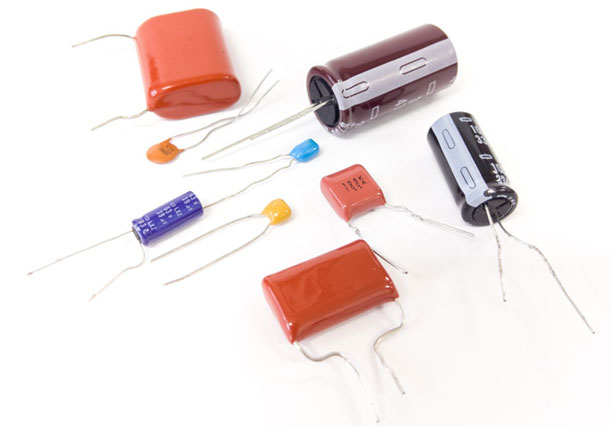
Small electronic parts like resistors, capacitors, and ICs for compact PCBs.
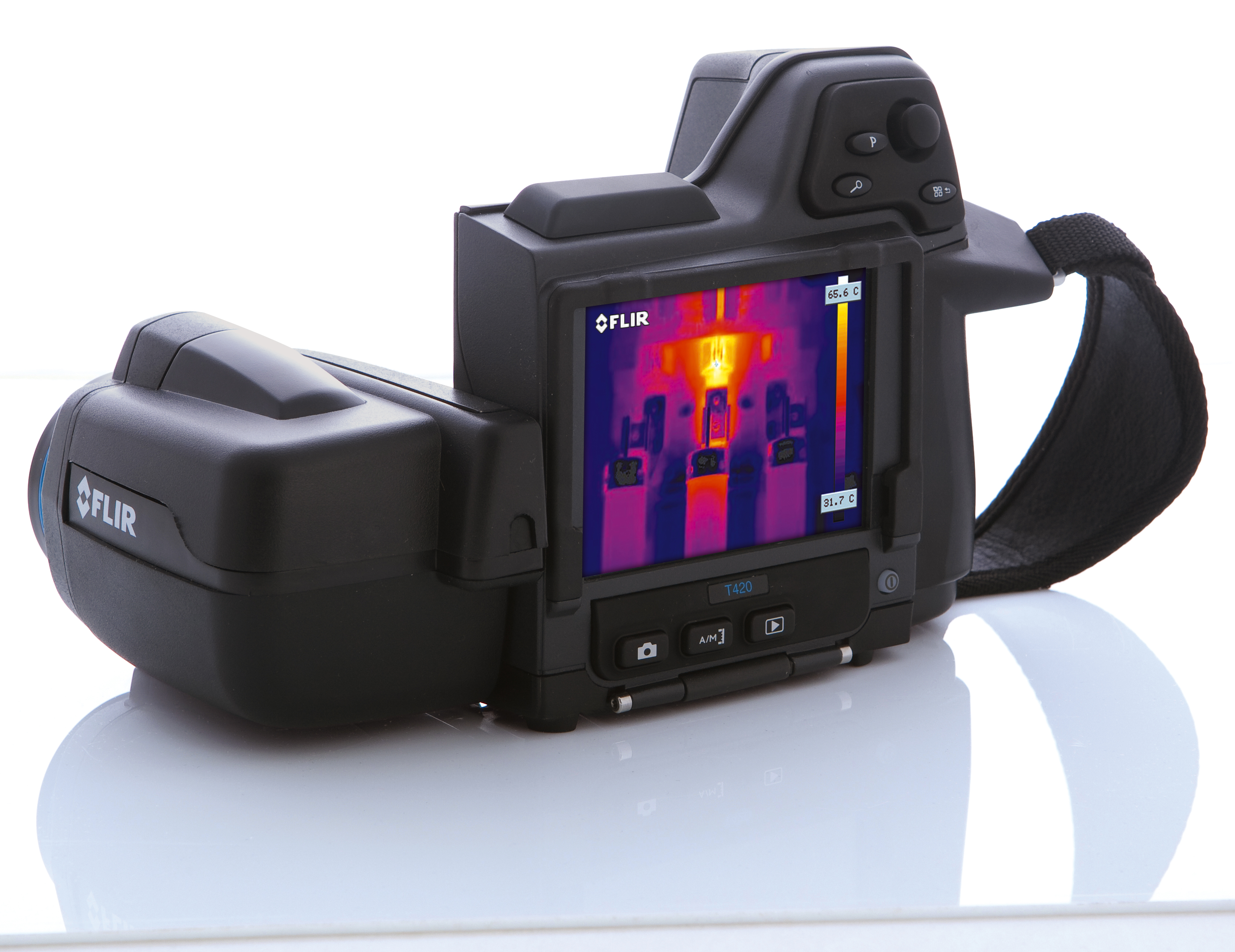
Used in testing to detect overheating components on PCBs.
Anti-static workstation mat to protect components from electrostatic damage.
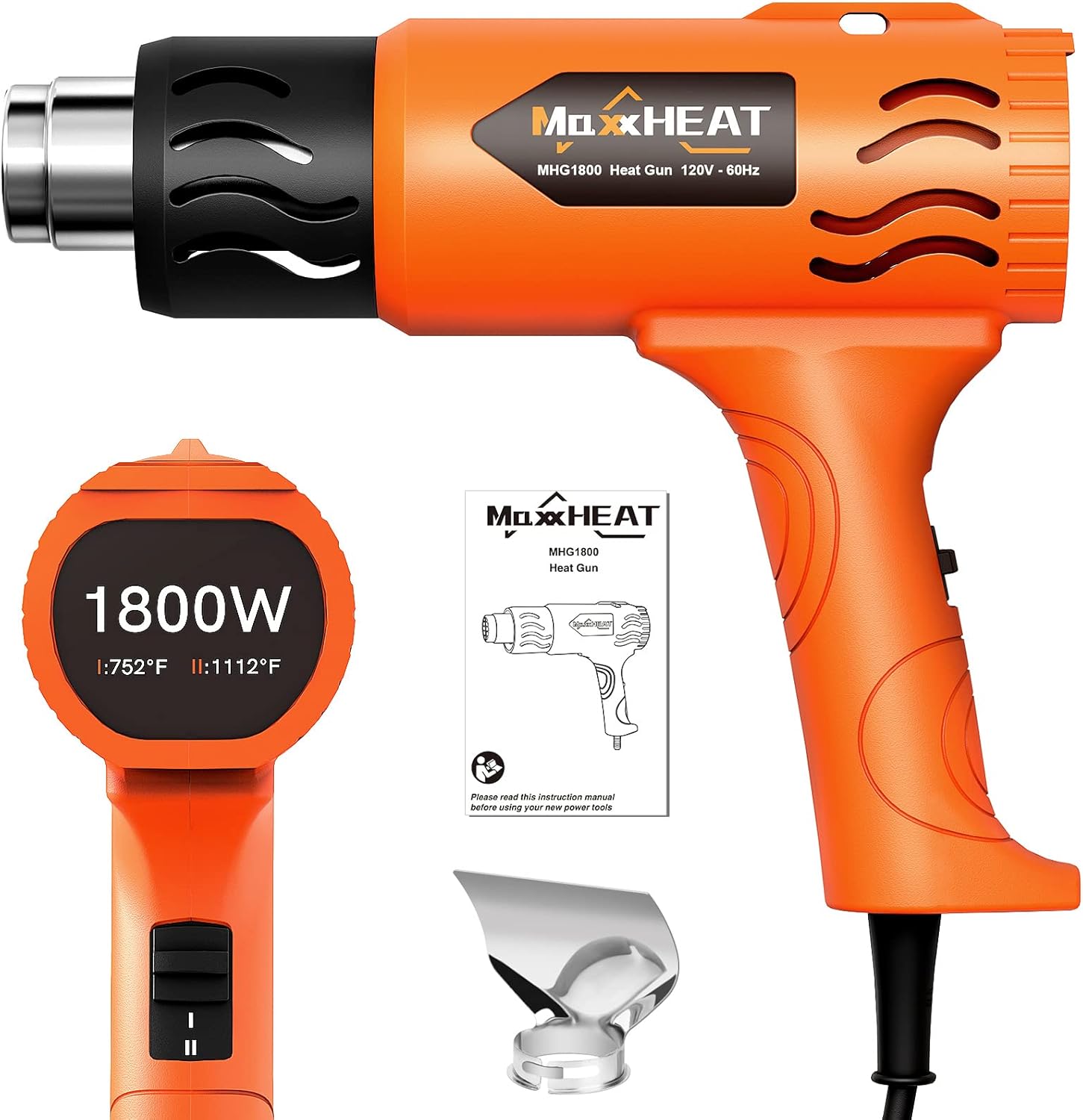
Used for heat shrink tubing and PCB rework in soldering tasks.
Used for attaching connectors securely to wires and cables.
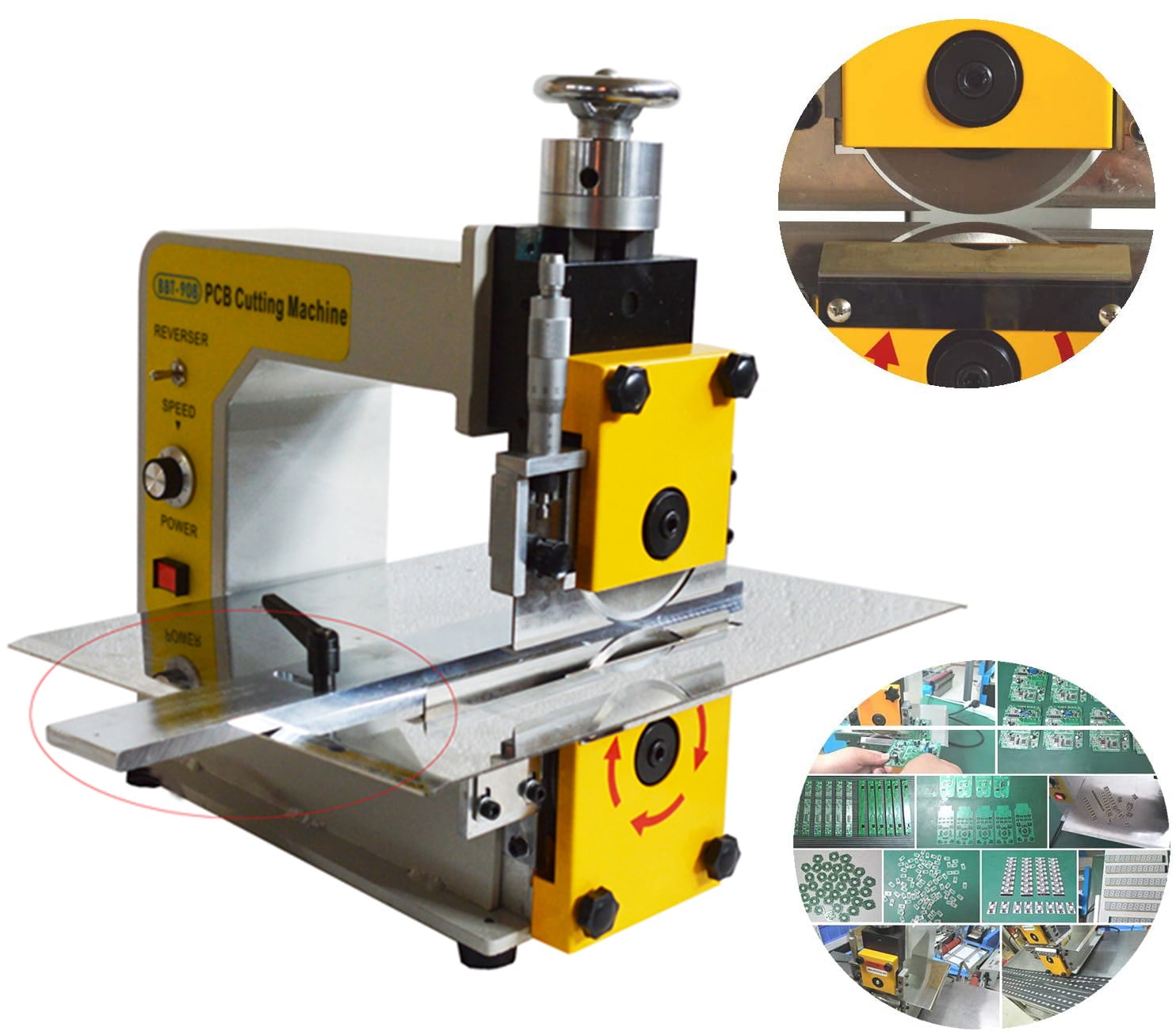
Special tool for cutting and shaping printed circuit boards.
Traditional resistors, capacitors, and ICs mounted with pins through PCB holes.
Veroboard/stripboard for building and testing circuit prototypes.
Includes pin headers, JST, Molex, and other connectors for PCBs.
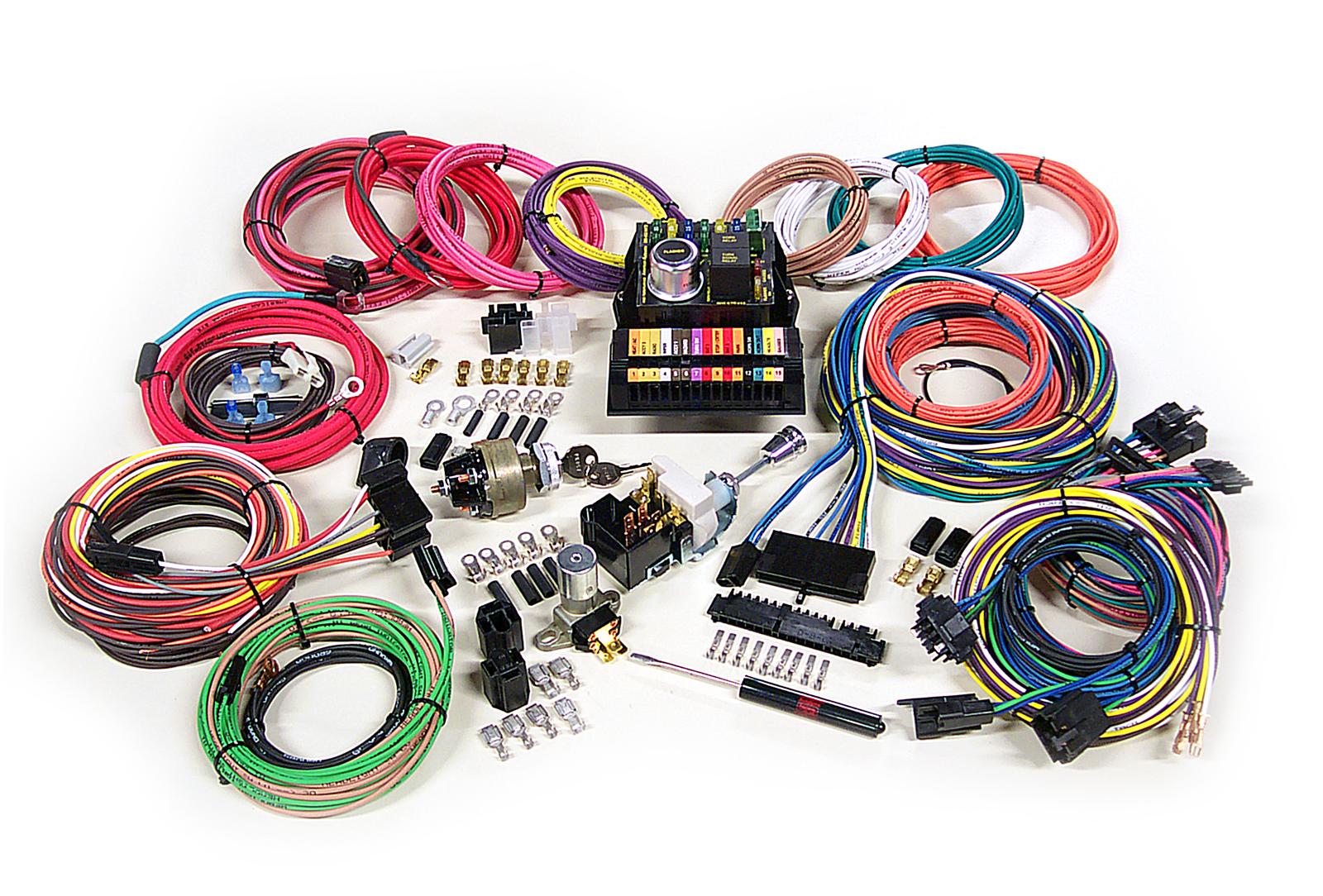
Organized bundle of wires for connecting electronic modules.
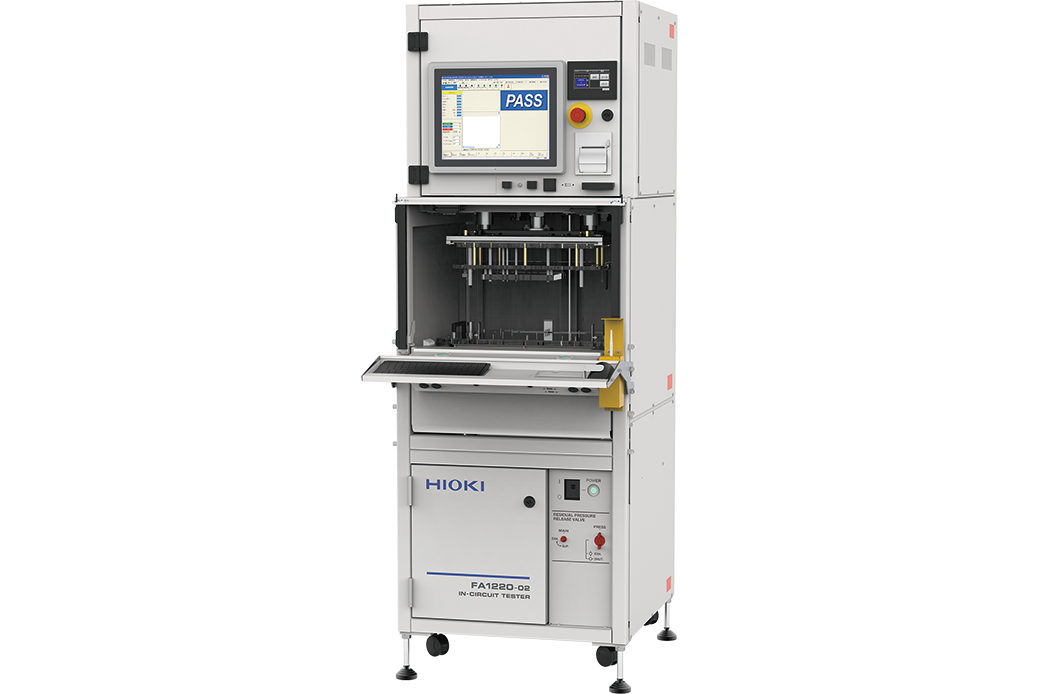
Machines used in assembly lines to test PCBs for defects.
Special device that checks PCB test points for faults and continuity.
Digital testing method to check IC-to-IC connections on PCBs.