Master multiple domains: Electrical, Electronics, and Mechanical
The Multi-Skill Technician program is designed to create professionals capable of working in multiple domains. Students will gain expertise in electrical wiring, electronics troubleshooting, and mechanical repairs, making them versatile for industries.
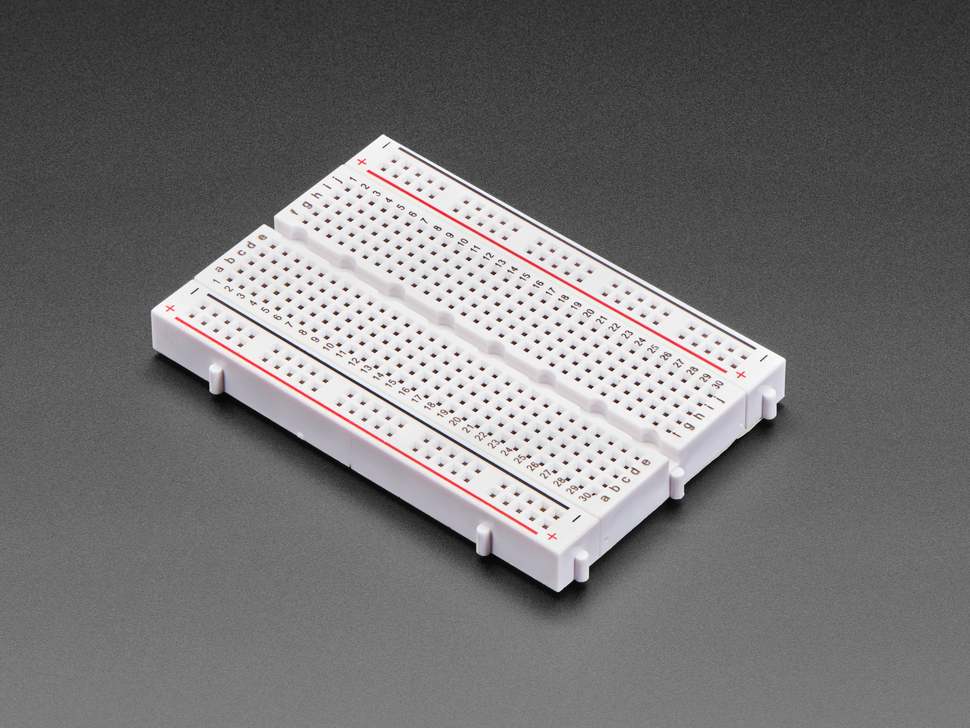
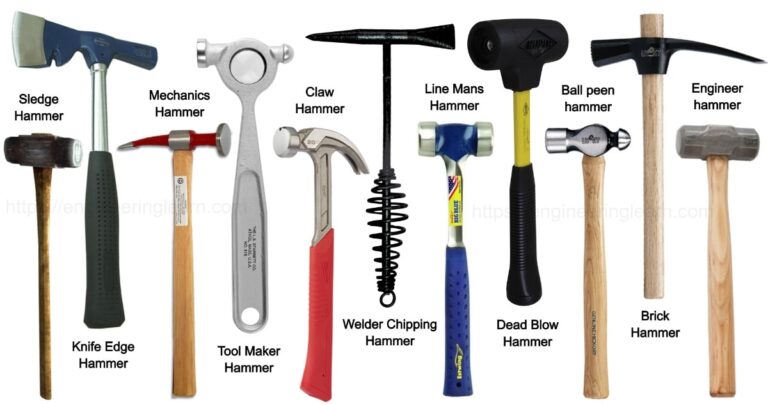
These are the essential tools covered in this program. Hover over each image to flip and see the tool’s name.
Each tool plays a vital role in your training. For example:
Electricity powers nearly everything we use daily — from lights to heavy machines. In this module, you’ll learn how electricity flows, how circuits are built, and most importantly, the safety practices required while working with electrical systems. Topics include safety gear, circuit breakers, and grounding techniques to prevent accidents and ensure safe handling of equipment.
This section focuses on small but powerful components like resistors, capacitors, and transistors. You’ll learn how these components work and how to test circuits using tools such as digital multimeters and oscilloscopes. By the end, you’ll be able to troubleshoot and fix basic circuit problems found in everyday gadgets and machines.
Mechanical skills are essential in industries where precision and reliability matter. In this section, you’ll learn how to use hand tools and machines like drills, lathes, and grinders. You’ll practice fitting parts, assembling equipment, and maintaining machines to ensure smooth and safe operations. These skills are the foundation of mechanical engineering and workshop practice.
Modern industries use automation to save time and improve efficiency. This section introduces you to Programmable Logic Controllers (PLCs), which act like the brains of machines. You’ll learn how PLCs control assembly lines, elevators, and packaging systems.
This is the most exciting part of the program! You’ll get hands-on experience with real tools, machines, and circuits. From wiring electrical systems to operating workshop equipment, you’ll practice building, testing, and repairing projects. These skills prepare you for real-world technical jobs where practical knowledge matters most.